
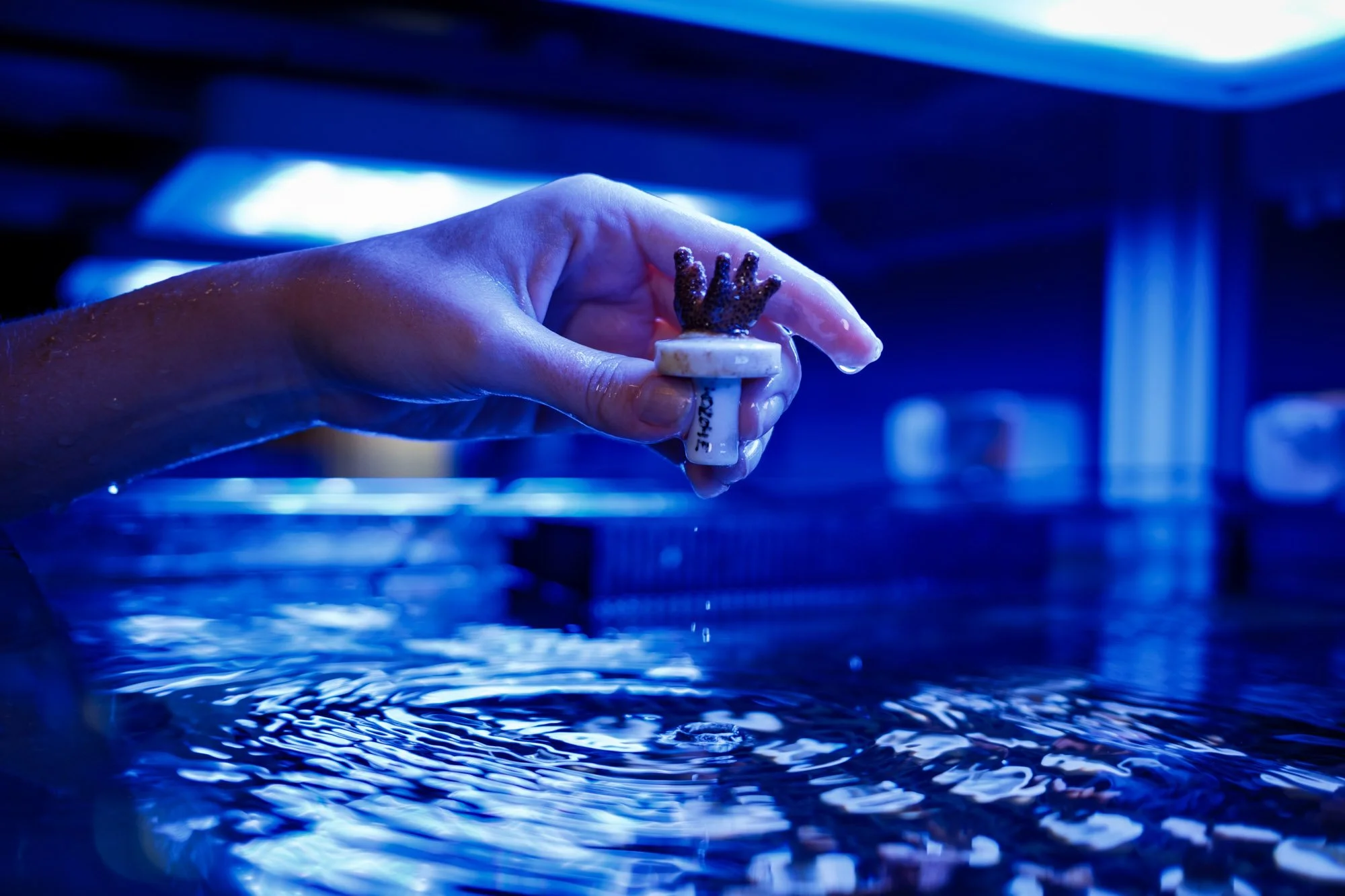

Reviving reef resilience with Project SuperCoral
Coral reefs have reached a climate tipping point
Coral reefs are approaching a critical point. As oceans warm faster than ever, entire reef systems are collapsing. A global network of 160 scientists warns that warm-water reefs are among the first ecosystems to reach a major climate tipping point.
Hope through science & innovation: Project SuperCoral
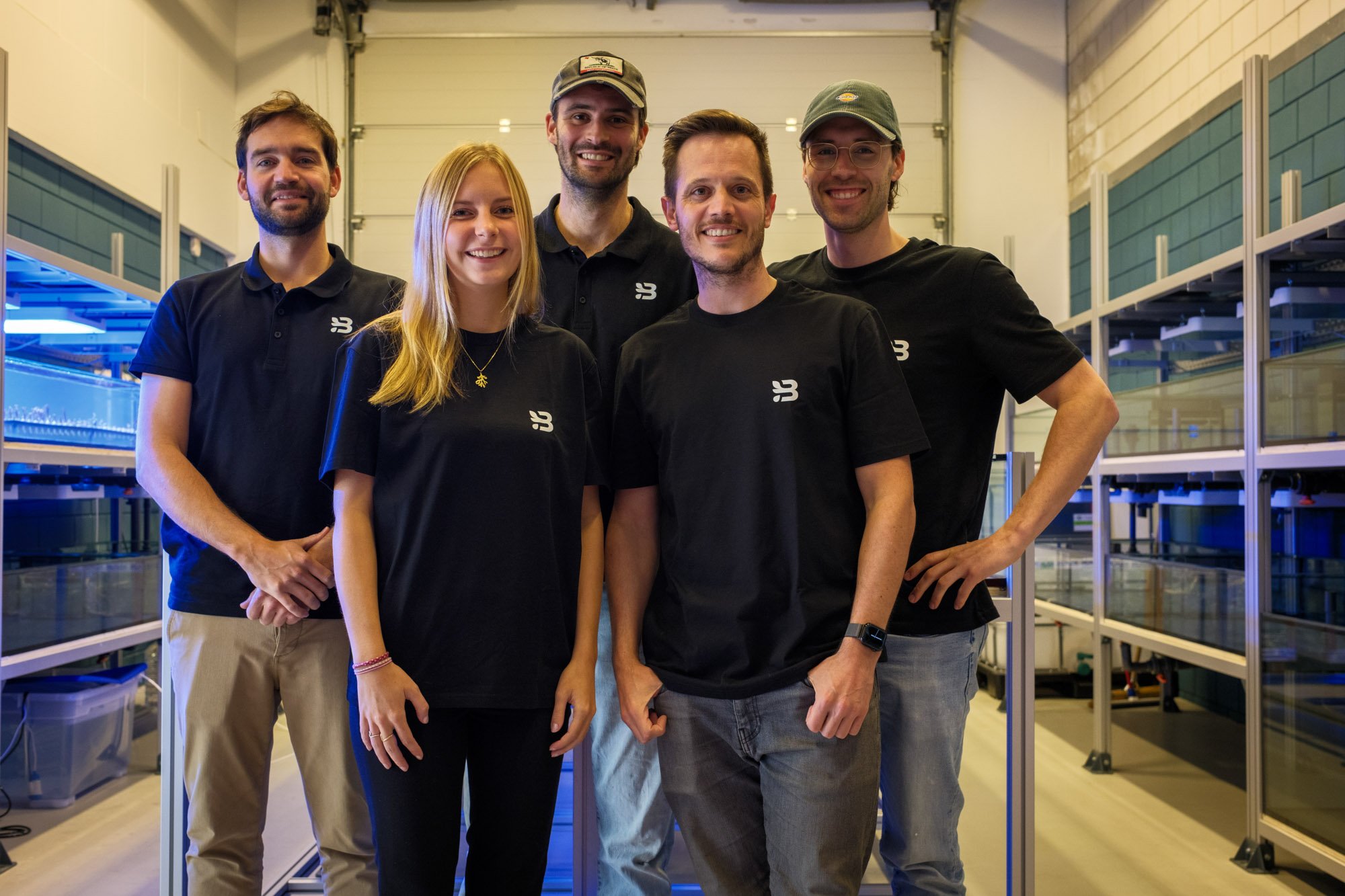
From our lab in Utrecht, we are working to bring hope back to the reefs. Together with Wageningen University & Research, BRANCH is developing heat-tolerant SuperCorals, a potential breakthrough in the fight against coral bleaching. By combining technology with research, we aim to understand how corals can adapt to rising ocean temperatures.
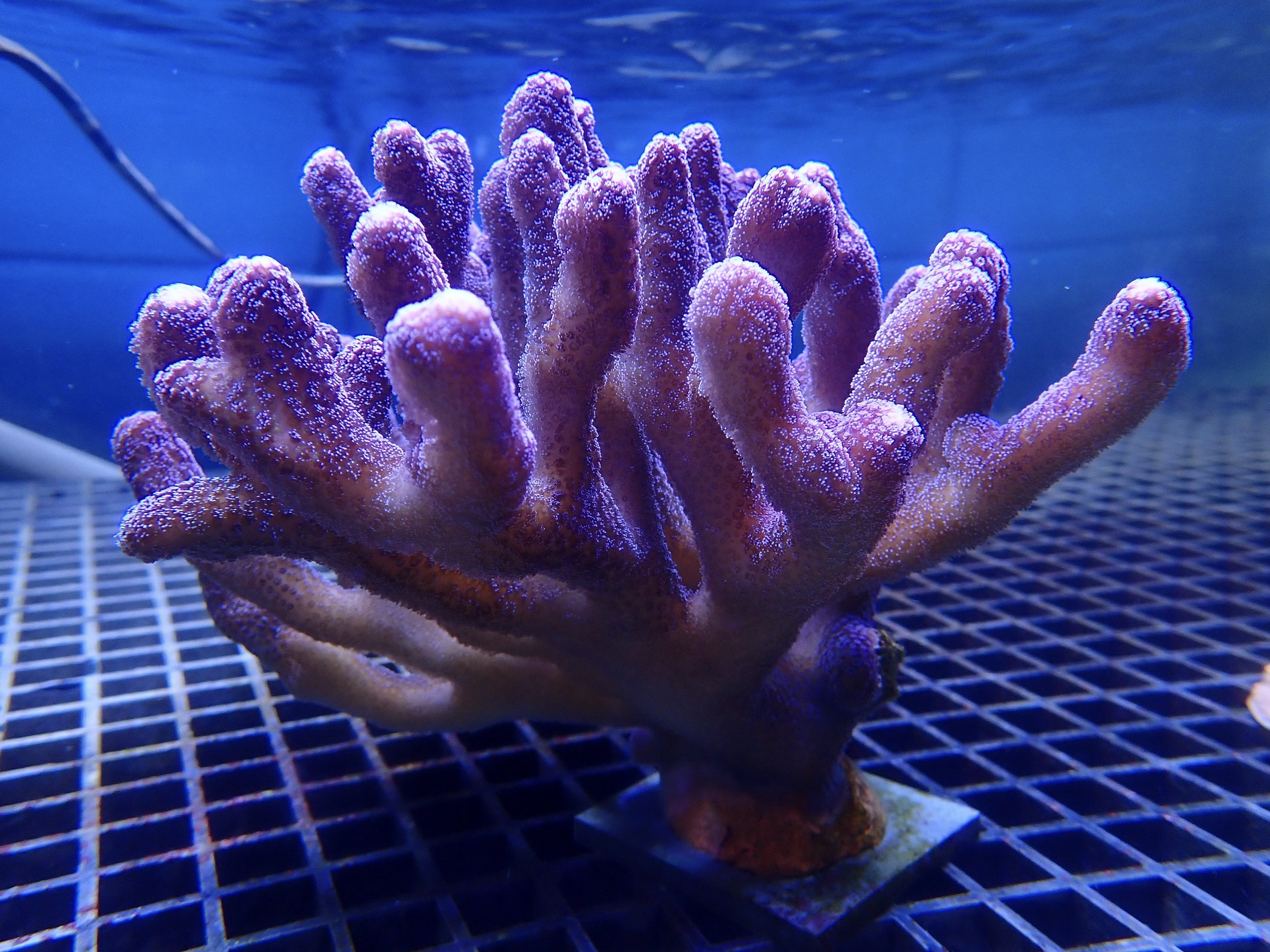
Assisted Evolution
We build on Professor Madeleine van Oppen’s research showing that corals can become more heat-tolerant by introducing resilient algae.
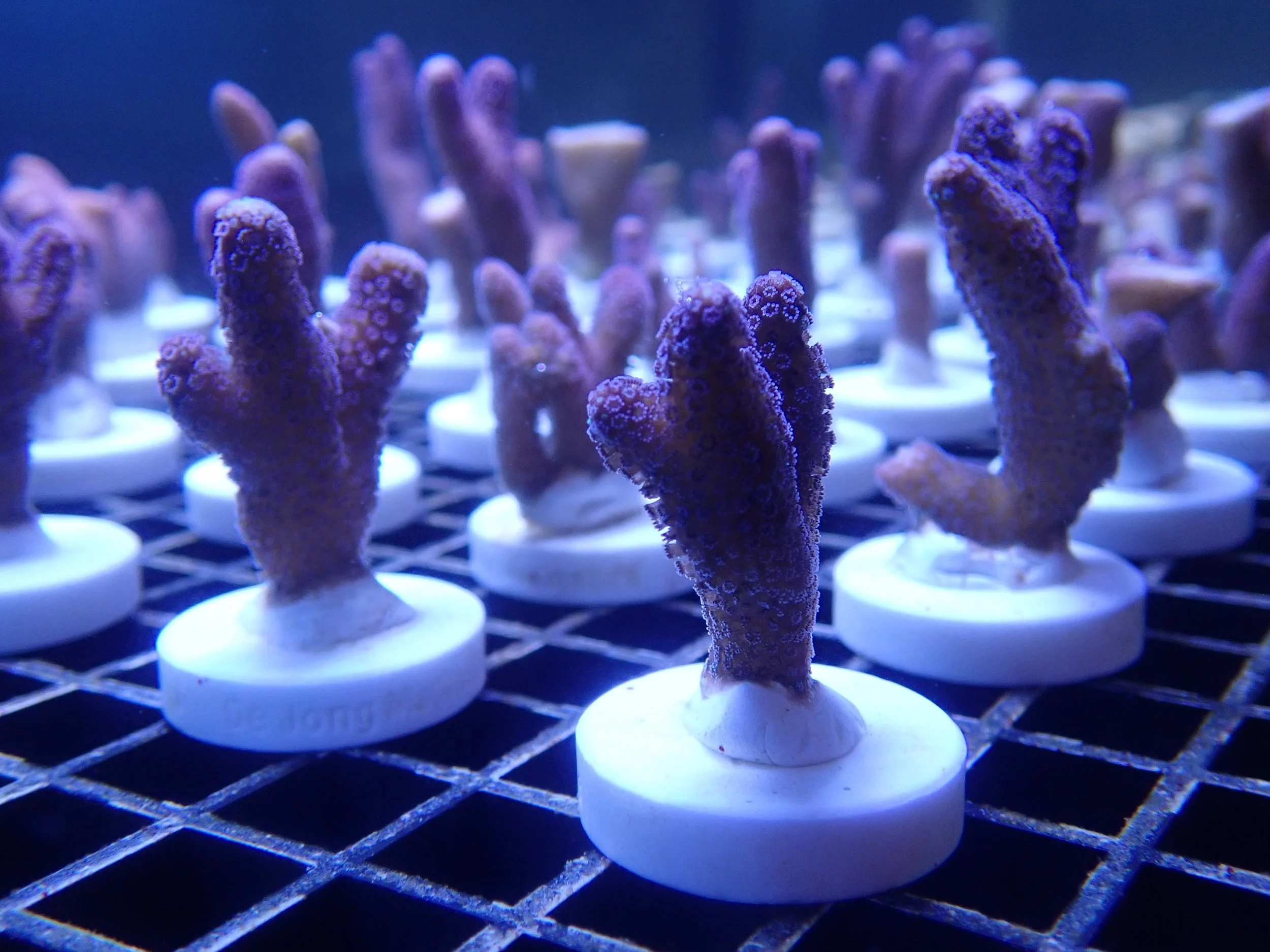
Heat-Resilience Lab
We develop an automated bleaching system to test and strengthen corals against heat stress using the latest cultivation technologies.
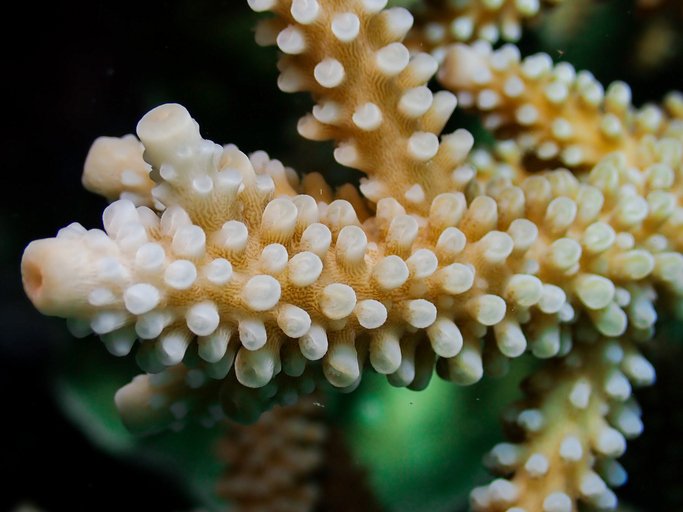
BRANCH vision
We continue to advance coral research and innovation to protect marine biodiversity. By turning new discoveries into action, BRANCH ensures that progress in science directly supports the recovery of reefs worldwide.
Our Journey: Key Milestones and Future Aspirations
-
Our marine biologist Danielle will begin her PhD research under the supervision of lead scientist Ronald Osinga. Building on Professor Madeleine van Oppen’s work, we will apply this method to the Caribbean coral Favia fragum, a species known for passing its algae on to its offspring.
-
The results of our experiments will undergo a series of stress tests to determine whether the corals retain their heat-tolerant algae over time. This process will lead to the creation of new generations of SuperCorals, designed to thrive in the warmer oceans of the future.
-
Frequently asked questions about SuperCoral
-
Yes. Accelerating coral adaptation raises ethical concerns because introducing stronger, human-enhanced corals could cause unexpected ecological changes. These corals might, for example, outcompete native species, behave like invasive organisms, spread diseases, or change the genetic makeup of natural populations. Therefore, careful ecological risk–benefit analysis, regulatory oversight, and public dialogue are considered essential before implementation.
-
If stronger “Super Corals” are introduced, the reef may adapt by becoming more tolerant to stress such as heat. These corals could pass on beneficial traits, work with new microbial partners, or create more resilient offspring. However, the long-term ecological outcomes remain uncertain, and success depends on careful monitoring, compatibility with native populations, and maintenance of ecological balance.
-
The Caribbean coral Favia fragum is used in our research because it is a brooding coral. Brooding corals fertilize and develop their larvae internally, and then release fully formed planula larvae. The larvae usually inherit their photosymbionts directly from the parent colony. This means that the offspring start life with the same photosymbiont community as the adults, which makes Favia fragum an ideal species for studying how heat-evolved photosymbionts are passed on and how they influence heat tolerance of the coral.
If your question is not listed, feel free to get in touch.
Help us turn the tide by supporting project SuperCoral
With your support, we are building a research setup in Breda to test and strengthen corals against heat stress. Your contribution helps fund aquariums, pumps, heaters, lamps, sensors, and microscopes needed to study coral resilience up close.
We also invest in materials to keep seawater perfectly balanced, allowing us to simulate heatwaves and study how corals and their algae adapt to rising temperatures. Together, we can give coral reefs a fighting chance.