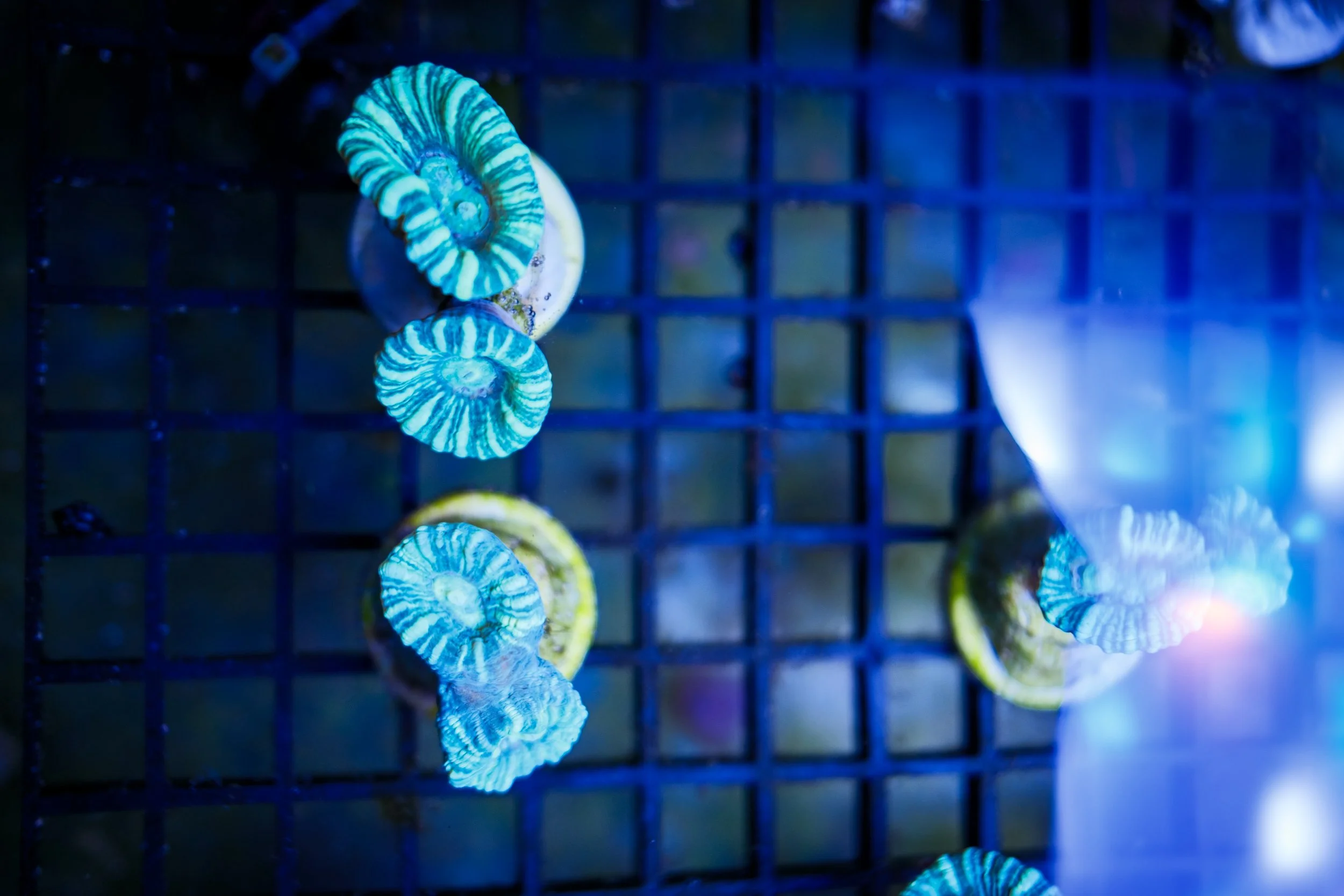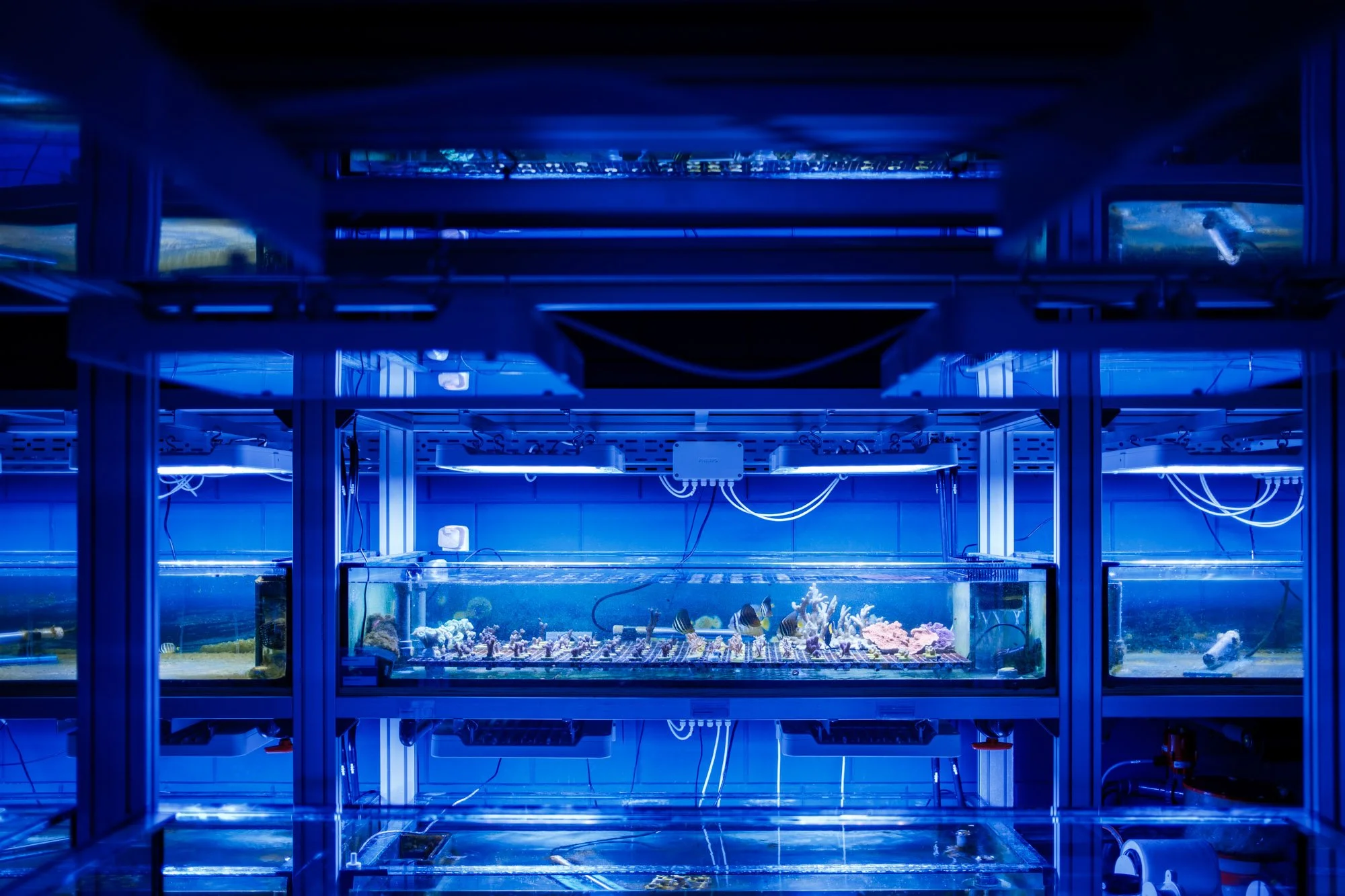
We strengthen coral from within by making the symbiotic algae living inside it more heat-tolerant. These algae largely determine whether coral can withstand rising ocean temperatures. Join us, together with leading universities worldwide, as the first NGO to apply this insight at scale.
Coral can adapt. We're making sure it does.
Heat-Evolved Symbionts (HES)
The Coalition
Supported by:Wageningen University & Research
BRANCH Foundation
Australian Institute of Marine Science
Heat-evolved symbiont concept
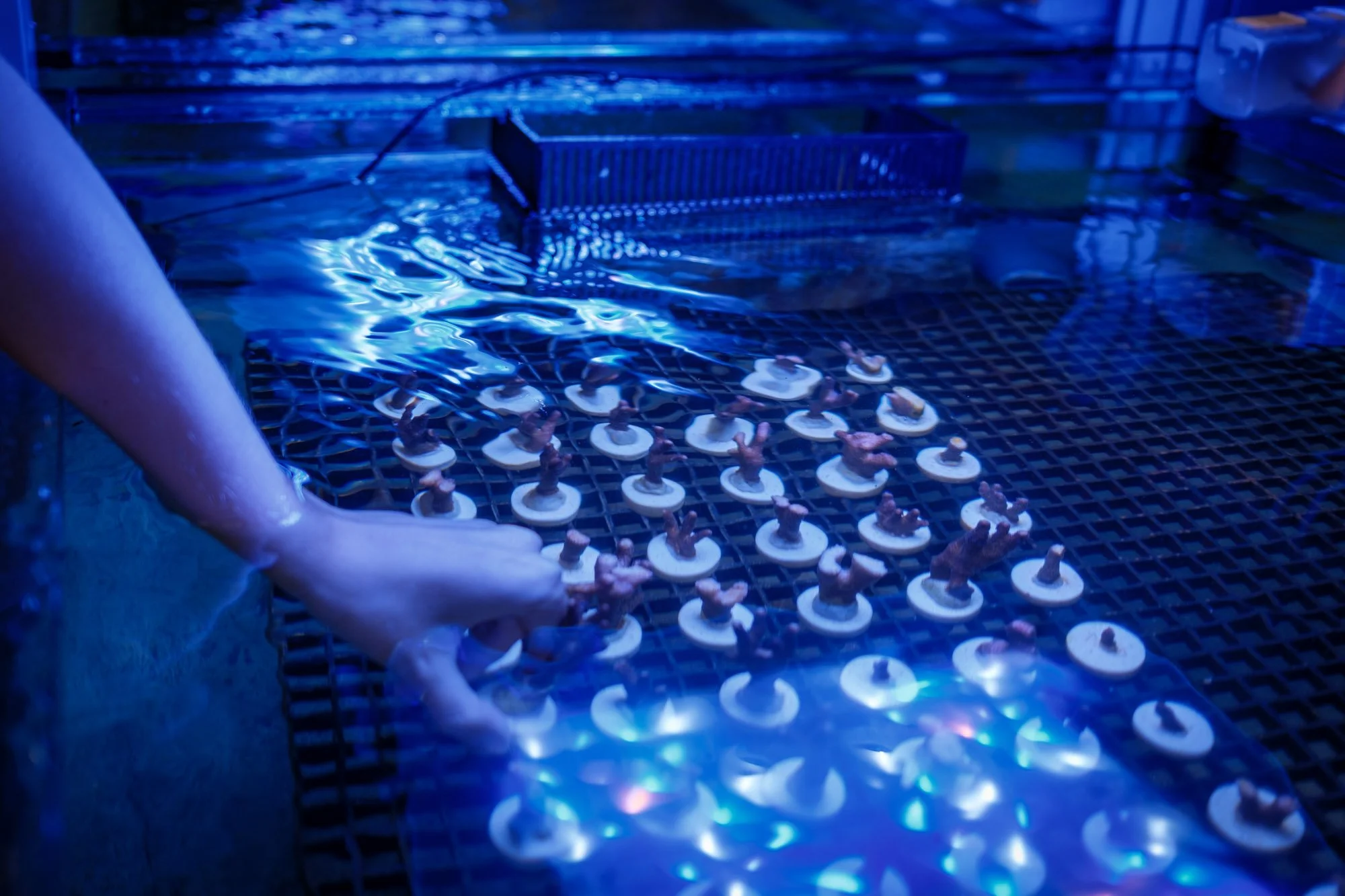
The heat-evolved symbiont concept involves exposing coral-associated algae (Symbiodiniaceae) to gradually increasing temperatures over time, so that the algae evolve and adapt to withstand higher heat levels than they normally would. These heat-tolerant algal strains can then be introduced into coral hosts, giving the coral itself greater resilience to rising sea temperatures and reducing the risk of bleaching. This application could be done on existing reefs to protect them against future heat-waves as well as restoration programs.
The Process
1.
Symbiont identification
Selection and identification of the relevant native symbionts and related coral hosts.
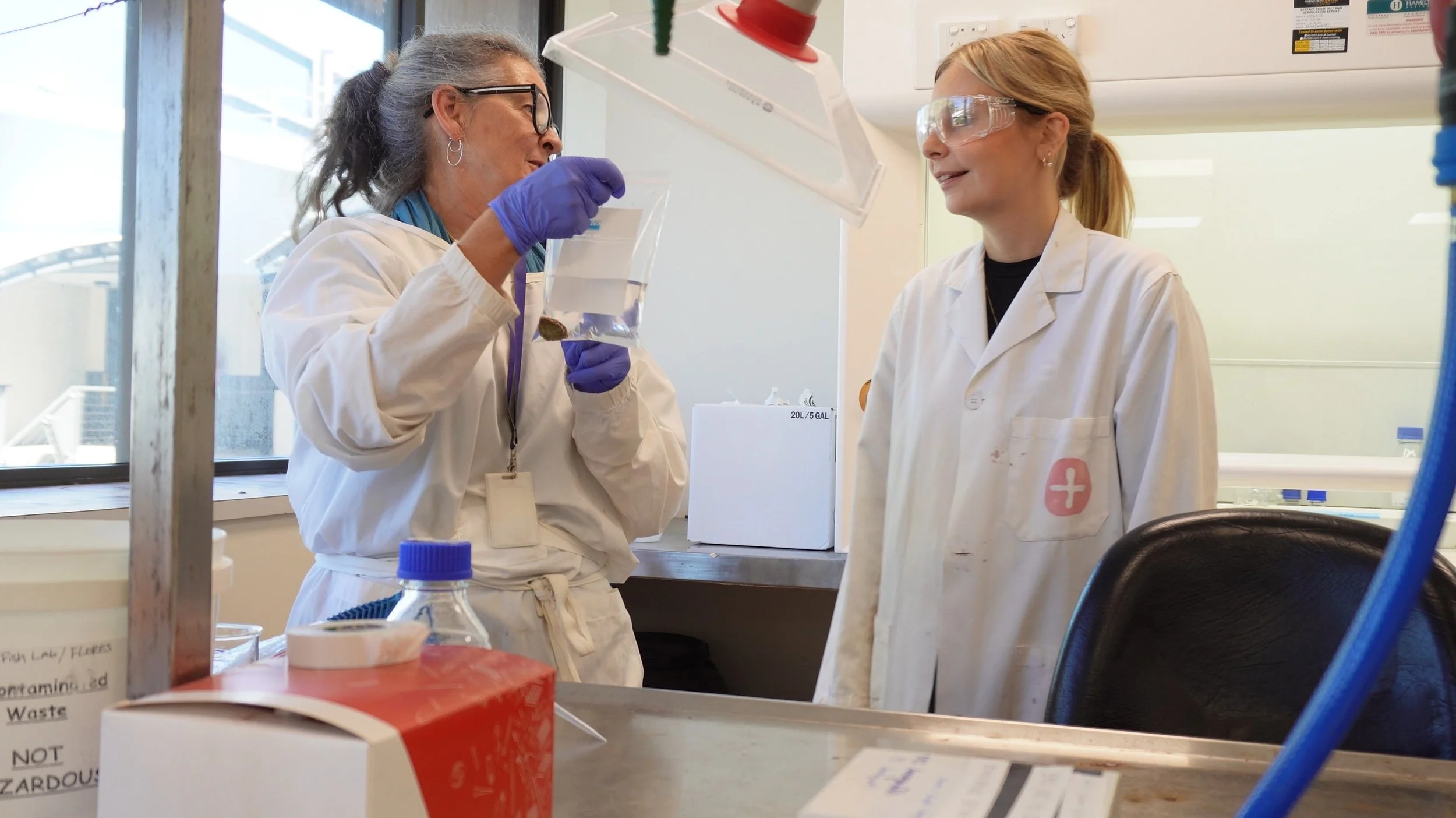
Symbiont extraction
The relevant symbionts need to be extracted from the coral hosts, using coral tissue blasting techniques.
2.
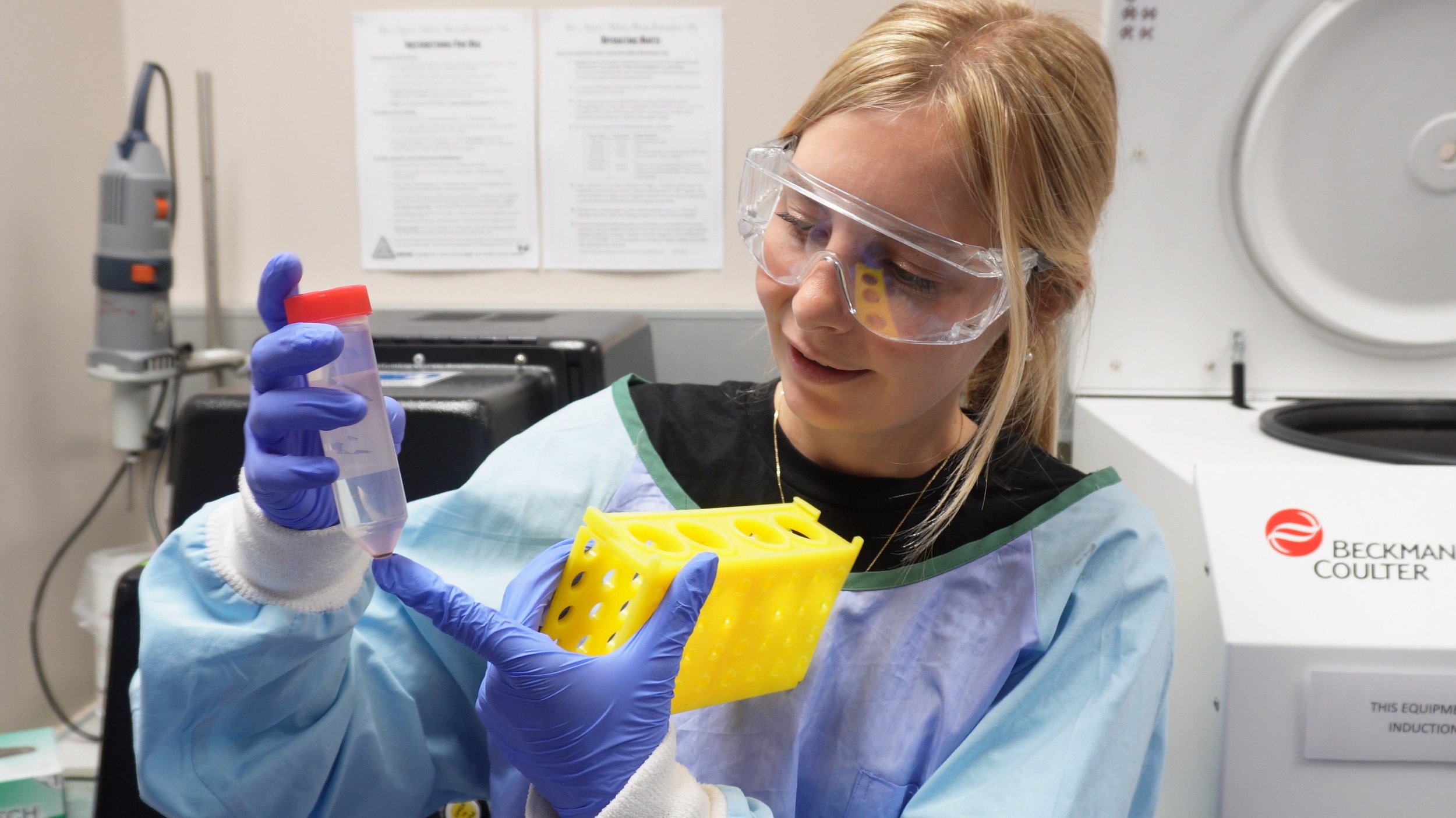
Assisted evolution
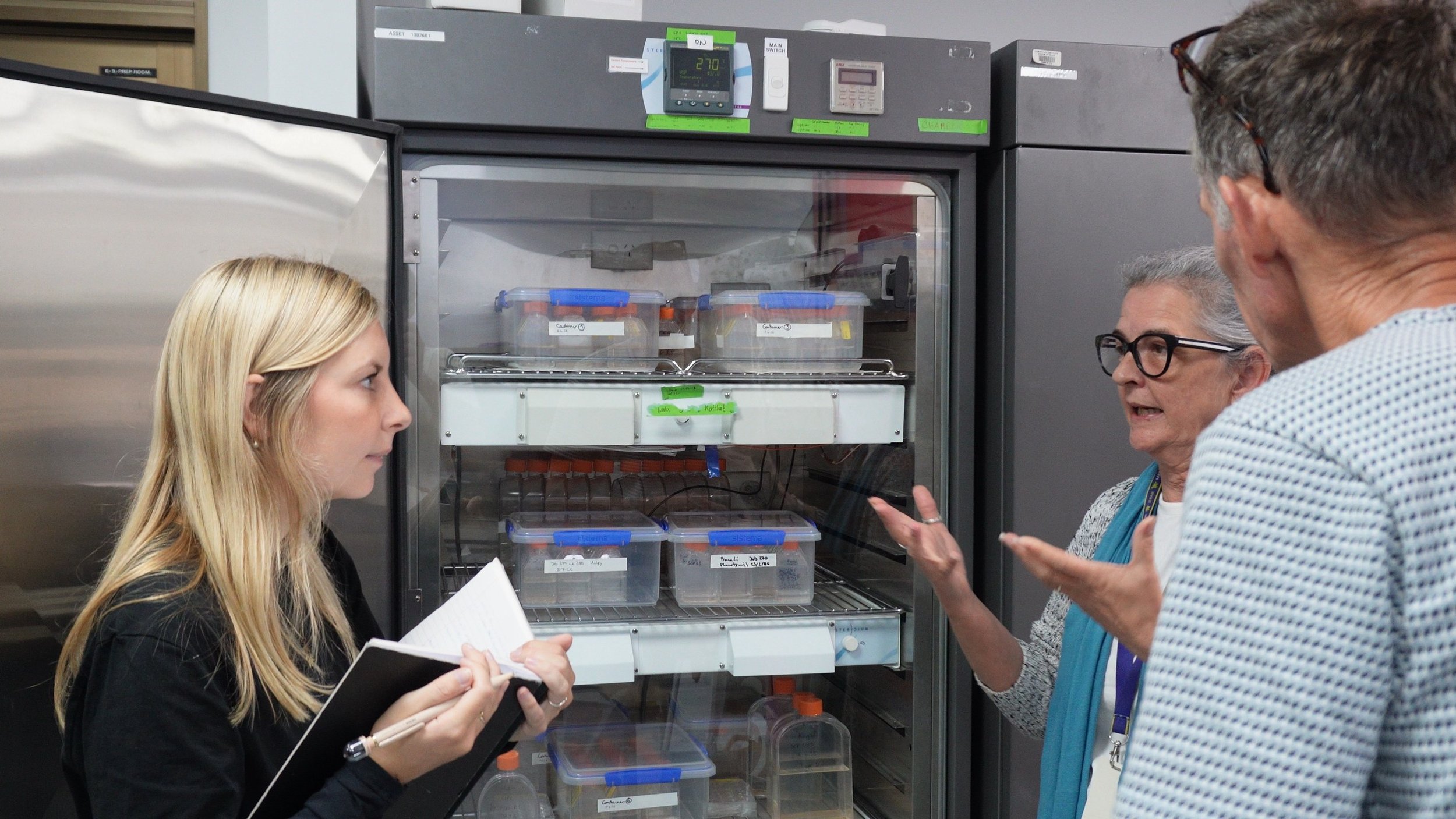
After cultivation of the symbionts, the symbionts will be exposed to slowly increasing temperatures to develop heat tolerance.
3.
Field implementation
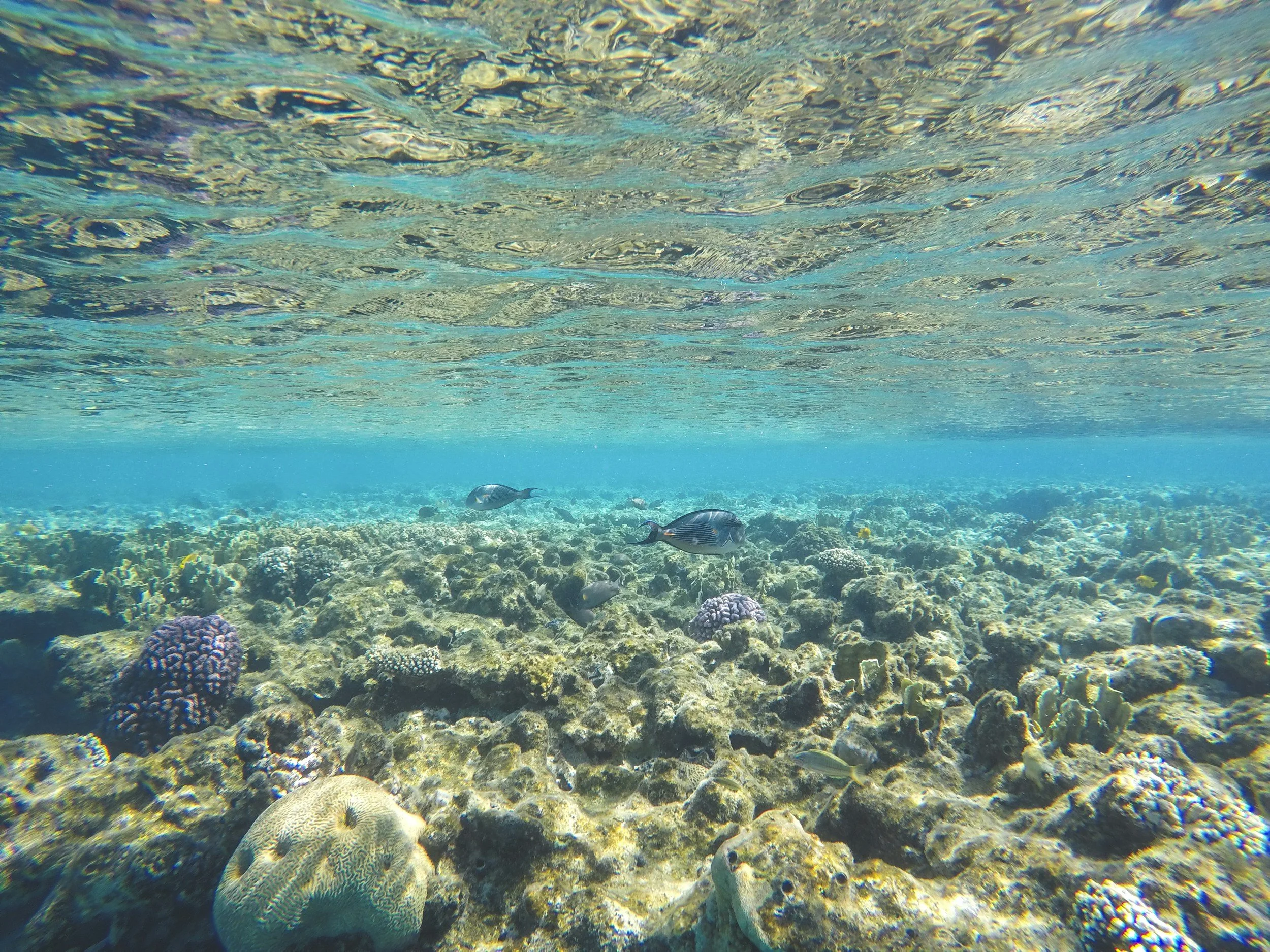
Once we have achieved heat-evolved symbionts, they will be released back on existing reefs for protection and/or inoculated into the coral hosts for restoration.
4.
Why we believe in the concept:
Why we believe the heat-evolved symbiont approach can play a crucial role in making our coral reefs more heat resilient and prepared for future environmental conditions. This concept could potentially be:
-
Heat-evolved symbiont programs are far more cost-efficient than coral-based approaches because algae reproduce and grow far faster than corals, letting labs cycle through generations and scale up algae stock in a fraction of the time.
Algae culturing also demands much lower energy and infrastructure costs and can be done at much higher densities than coral rearing, which needs slow-growing colonies, larger tanks, and more careful handling.
On top of that, algae cultivation can piggyback on decades of industrial advances from the food and biofuel industry, photobioreactors, high-density culturing techniques, and strain-selection methods, that already exist at commercial scale, whereas coral aquaculture has no comparable industrial base to draw on.
-
Because heat-evolved symbionts can be mass-produced in bioreactors rather than raised coral-by-coral, a single facility can generate enough algae to seed reefs across an entire region, whereas coral propagation is inherently limited by the number of colonies and physical space available at any one site.
Algae cultures are also easy to standardize, freeze, transport, and re-culture locally, so a strain developed and tested in one lab can be shipped and scaled up throughout the region where these symbionts occur, without needing to replicate slow-growing coral nurseries at each new location.
This means symbiont-based interventions can, in principle, be deployed across many reef systems simultaneously and repeatedly reintroduced as needed, giving them a path to global-scale impact that coral-by-coral restoration simply can't match in terms of speed or reach.
-
Because a single symbiont strain can be hosted by many different coral species at once, improving the heat tolerance of one symbiont type can boost heat-resilience across dozens or even hundreds of coral hosts simultaneously.
This many-to-one relationship means researchers don't need to develop a separate solution for each of the 6,000+ coral species—engineering heat resilience into one widely shared symbiont strain can ripple outward and benefit an entire cross-section of the coral community that relies on it.
This multiplier effect is part of what makes the symbiont-first strategy so efficient: a relatively small amount of work on the algae side translates into an outsized, broad-reaching impact on reef-wide heat resilience.
-
This concept also opens the door to a proactive protection strategy rather than a purely reactive one: heat-evolved symbionts can be introduced into still-healthy, existing reefs in areas where rising sea temperatures are forecasted, effectively future-proofing them before a bleaching event ever occurs.
This "protect first" approach preserves reefs that already provide functioning ecosystems, fisheries, and coastline protection, buying critical time while longer-term restoration techniques are developed and scaled.
The same symbiont strains and delivery methods can be extended to active restoration efforts on degraded or new reef sites, creating a natural progression from safeguarding what remains to rebuilding what's been lost.
-
Field implementation is also far simpler logistically: introducing heat-evolved algae into the water column or directly onto reef surfaces can potentially be done through broadcasting techniques, requiring minimal specialized equipment compared to coral outplanting.
Traditional coral restoration demands extensive material and human resources—dive teams to physically attach coral fragments to substrate, structures or frames to support outplants, and ongoing monitoring and maintenance of each individual colony.
By contrast, algal symbionts are microscopic and can potentially be delivered in bulk over much larger areas with far fewer person-hours in the water, making it possible to treat entire reef sections in the time it would take to outplant a comparative handful of coral fragments.
-
Importantly, current study results have not identified negative biological trade-offs associated with this approach till date:
Corals hosting heat-evolved symbionts do not show increased susceptibility to disease compared to controls.
The heat-evolved algae also don't appear to become overly dominant or outcompete other beneficial symbiont types within the host in a way that would disrupt the coral's normal symbiotic balance.
Additionally, corals don't seem to reshuffle their symbiont communities over time in a way that would cause them to lose the heat tolerance conferred by these heat-evolved strains, suggesting the benefit can persist rather than being diluted or reversed.
-
BRANCH is working on an encouraging concept finding that in brooding coral species, offspring potentially inherit the same heat-evolved symbionts from their parent colonies, meaning the enhanced heat tolerance can be passed on to the next generation without additional intervention.
This vertical transmission suggests that once heat-evolved symbionts are established in a parent population, nature can take over much of the ongoing work, propagating resilience through natural reproduction rather than requiring researchers to re-treat every new coral generation.
It's a promising sign that a single, well-timed intervention could have compounding benefits over time, rather than needing to be repeated indefinitely to maintain reef-wide heat tolerance.
How this coalition can help:
Protocols & lessons learned
1
The platform could help by providing standardized, field-tested protocols for how heat-evolved symbionts are selected, cultured, and introduced into coral hosts, enriched with the practical know-how gathered from past deployments, such as optimal timing, environmental conditions to watch for, and pitfalls encountered in earlier field trials.
This would help ensure the underlying biology is applied consistently across sites while also letting every new partner skip the trial-and-error phase others have already worked through, accelerating the path to successful implementation.
Providing technical tools & systems
2
The platform could help by giving partners direct access to shared hardware and software, such as bioreactor designs, culturing equipment specifications, and data-tracking or monitoring systems, so new sites can get up and running without sourcing or building this infrastructure from scratch.
This would also help standardize the underlying technology used across sites, making results easier to compare and reducing the time and cost each new partner spends solving the same equipment and systems challenges independently.
Risk assessments framework & governance
3
The platform could help by offering a shared framework for evaluating ecological risks, such as disease susceptibility, symbiont dominance, or unintended reef impacts, alongside common standards for permitting, ethical review, and community consent, so partners aren't building these processes independently for each site or jurisdiction.
This would help ensure faster, better-informed decisions on new deployments while keeping accountability and oversight transparent and coordinated as the initiative scales globally.
Fundraising
4
The platform could help by enabling a coordinated, regional or even global fundraising strategy, rather than individual partners competing separately for the same limited pool of donors and funders.
This would help the community present a stronger, more unified case to funders, increasing overall credibility and making fundraising efforts significantly more effective than if pursued in isolation.
Align studies and research
5
The platform could help by mapping out ongoing and planned research across partners, so gaps can be identified and studies can be deliberately designed to reinforce and build on each other rather than unintentionally overlapping.
This would help the community spend limited research resources far more efficiently, ensuring that collective scientific effort adds up to a stronger, more complete evidence base instead of duplicated or fragmented findings.
Let’s work together,
join the Coalition!